The problem with A.I. generated “art”
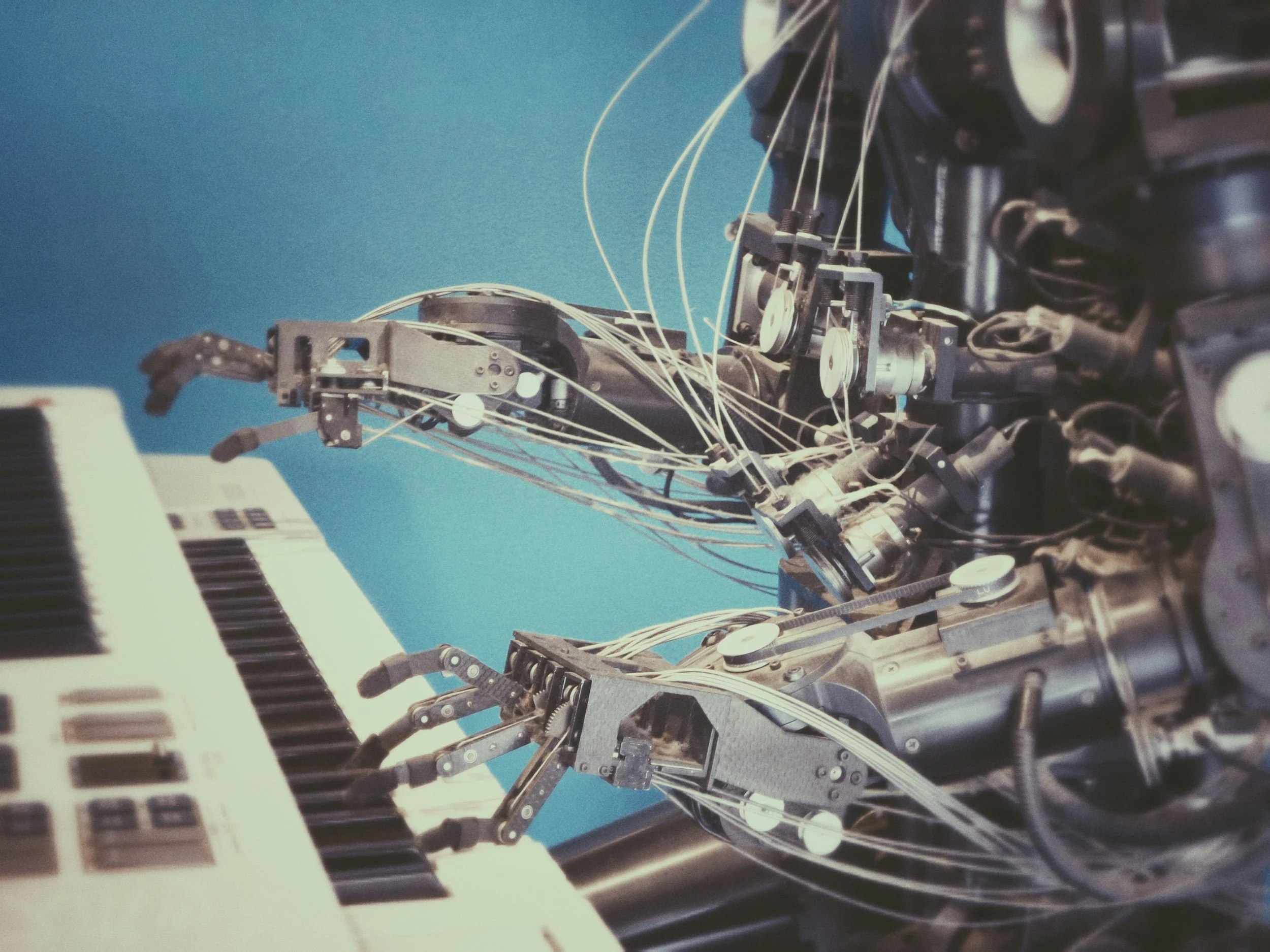
Last year, an A.I. generated landed at the top of the Billboard country music digital sales charts, showing that “art” that is generated by a computer can gain mainstream success.
Also last year, there was a brief bit of buzz around the possibility of an “A.I. actress” starring in movies. And two years ago, NPR wrote an article about A.I. generated books flooding Amazon’s marketplace.
Similarly, it remains remarkably easy to scroll through social media and see A.I. generated images and videos. Often times, those images and videos will be presented as if they were genuine videos or an artists genuine work, rather than the sum of (usually) stolen assets contorted by machine learning and written prompts.
Ignoring my issues around the infrastructure of generative A.I.—I will admit, do think there can be useful applications for A.I., narrow though I think those applications are. But suffice it to say, I dislike 95% of what A.I. has been touted as a use for. Certainly, when we’re getting to the point where A.I. is creating the art we enjoy, I fear we’ve lost the plot to an existential degree.
While my general inclination, tending toward “let people like what they like,” would compel me to let people who enjoy the A.I. music or “actresses,” I do feel this represents the crossing of a barrier. Especially when the song in question doesn’t, to my ear, have any notable degree of quality—and the human-esque image being pedaled as an actress, to my eye, is hard to look at for more than a few seconds before feeling unsettled. (I’ll note, I haven’t so much as skimmed an A.I. book, but I imagine, at best, it would leave no strong impression.)
Let me throw some numbers at you.
In 2021, close to 2,000 English language movies were released in theaters. That doesn’t include thousands of hours of film uploaded to Youtube or other sites and services or other very small releases.
In 2021, roughly 2 million books were self-published and, perhaps conservatively, 500,000 books were traditionally published that same year.
In Feb. 2021, Music Business Worldwide estimated that 60,000+ tracks, on average, are uploaded EACH DAY to JUST SPOTIFY. If that math holds, that’s in the ballpark of 30 million songs each year. Again, that’s just Spotify, there are people making music on Bandcamp, iTunes, YouTube, Instagram, CD, or just in private that would surpass that.
I chose 2021 because I believe that represents a year where I feel I can safely assume the use of A.I. to create the art would have been marginal at best. I believe the vast majority of these projects are the result of human effort.
Keep in mind that all of these numbers represent just ONE YEAR of human beings making art that they’re publishing in a mainstream sense. You can scroll through the internet and find life times of writing, film, and music making from other human people.
And that is my ultimate point here.
There is more art than you could ever hope to experience being made by the moment by passionate artists.
Everyone won’t love every book, song, or movie—but to think you might love even 1% of the human art that will ever be accessible to you in your life time already represents more than anyone could ever realistically experience.
With that in mind, if you’re trying to find art you enjoy, why would you ever turn to an A.I. generated version of it? There are humans out there who are experiencing new things every day and evolving ideas forward. A.I., at best, warps the information that it is fed and sands off character for the purpose of meeting a prompt it was fed.
If I get art from a machine, it makes only the person who made the machine richer, and does not empower the people whose work the machine is crassly pulling from to make something that is, at best, digestible.
There are hundreds of pieces of quality art out there that I know I will already live without enjoying. I know that when I find art that means something to me, that me loving it also means something to the creator of that art and can often support them in making more.
I don’t imagine anyone reading this is in the habit of consuming A.I. “art” but I mention all of this just because it is a thing that constantly confuses me: That people would turn to machines for worse versions of what already exists in surplus.
Here’s a poet I went to school with, Caleb “The Negro Artist” Rainey, who does good work:
Here’s a musical artist, Sierra Skye Baker, who I went to school with and does good work:
Here’s a filmmaker/video editor I went to school with, Patrick Lussenhop, who doesn’t have a movie—but who you should reach out to on the chance you need video editing done:
You don’t need to support me. You don’t need to support these people. But support people, please.
If you’re interested, here’s other art/artists I’ve enjoyed:
*****
Hey! You finished my latest blog post. If you enjoyed this and want to keep up to date, consider scrolling to the bottom of this page and signing up for e-mail updates so you can have stuff like this sent right to your inbox.
Light Keeper Chronicle: The Unspoken Prophecy is available for physical purchase from Schuler Books, Barnes & Noble, and Amazon or wherever you read ebooks.
The Wilderlands is available for physical purchase now from Barnes & Noble and Amazon or wherever you read ebooks. The audiobook is also out now on most major platforms.